Cross-Border Medical Aftercare: What Follow-up Abroad Realistically Covers
An honest breakdown of post-operative care obligations, domestic healthcare boundaries, and the true cost of clinic guarantee policies.
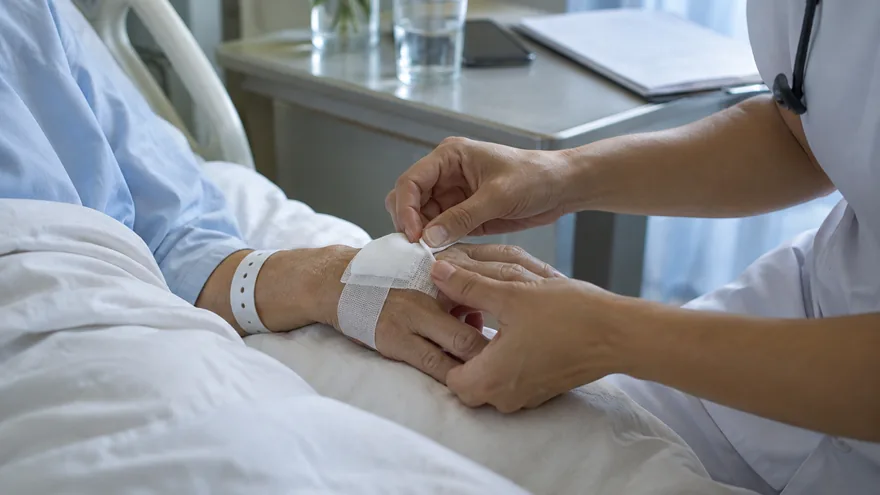
When evaluating private medical or dental treatment in Hungary, prospective patients spend considerable time researching surgeon credentials, procedure techniques, and initial quote breakdowns. Far less attention is typically devoted to the weeks and months that follow the operation. Yet post-operative care—commonly referred to as aftercare—is the phase where cross-border healthcare differs most drastically from domestic care.
When you receive complex medical or dental treatment in your home town, post-operative monitoring, suture removal, minor adjustments, and complication management are handled locally by the treating team. When treatment takes place abroad, an international border separates you from your surgeon the moment you step onto the return flight. Understanding the realistic boundaries of cross-border aftercare is essential to protecting your health and financial well-being.
The Misconception of Seamless Local Aftercare
Many medical travel packages advertise “full post-operative support” or mention partner consultations in Western European cities. It is vital to scrutinize what these claims mean in practice.
In most instances, a clinic’s domestic partner or UK/EU consultation point is an administrative sales office or an independent practitioner who conducts preliminary assessments. These local consultation points are rarely equipped or legally contracted to perform complex post-operative revisions, surgical interventions, or emergency care on behalf of the Hungarian clinic. If an issue arises after you return home, you will almost certainly be advised to communicate with the treating Hungarian surgeon via email, video call, or messaging apps.
While digital consultations are useful for monitoring routine healing, remote assessment has clear clinical limitations:
- A surgeon cannot palpate surgical tissue, probe dental implant stability, or adjust bite occlusion over a video screen.
- Diagnostic imaging (such as CBCT scans or X-rays) taken by a domestic provider must be formally transferred, which can introduce administrative delays.
- Physical interventions—such as adjusting a tight dental bridge, draining a seroma, or treating a localized wound infection—require an in-person practitioner.
Domestic Healthcare System Boundaries: Duty of Care vs. Elective Support
A critical question faced by returning patients is: What will my local general practitioner or national health service do if I have a problem after returning from Hungary?
The answer depends entirely on whether your situation represents an acute clinical emergency or a routine elective follow-up.
1. Emergency Treatment Obligations
National health services across Western Europe (such as the NHS in the UK or state health funds in Ireland and Germany) operate under a strict legal duty of care to protect human life. If you return from Hungary and suffer an acute, emergency complication—such as uncontrolled surgical haemorrhage, deep vein thrombosis, severe systemic infection, or acute respiratory distress—your local emergency hospital department will admit and treat you immediately.
However, emergency hospital departments will stabilize the acute crisis only. Their primary goal is life preservation and infection control. Emergency doctors will not attempt to preserve aesthetic surgical outcomes, adjust complex dental prosthetics, or complete an unfinished cosmetic plan. In severe cases, emergency stabilization may involve removing an infected implant or opening a surgical site, which effectively undoes the original treatment.
2. Routine Elective Aftercare Exclusions
If your post-operative concern is non-emergent—for example, persistent discomfort under a dental bridge, minor asymmetry following cosmetic surgery, or slow wound healing without systemic fever—your domestic public health service is under no legal obligation to intervene.
General practitioners and domestic public specialists are explicitly instructed not to take over routine management of private elective procedures performed abroad. This policy exists for two primary reasons:
- Resource Allocation: Public health funds are reserved for domestic clinical priorities, not for servicing private treatment outcomes.
- Clinical Liability: A domestic doctor who attempts to adjust, repair, or manage a complex surgical result initiated by a foreign clinic assumes legal and professional liability for the entire outcome. Most domestic practitioners will politely decline to touch private work performed abroad for this exact reason.
Deconstructing Clinic Guarantee Policies
Virtually every private dental and surgical clinic catering to international patients in Hungary offers a written guarantee. Guarantee periods range from two years for cosmetic procedures to ten or fifteen years for titanium dental implants. While these guarantees provide valuable reassurance, patients must read the terms and conditions carefully to understand what is actually covered.
What Guarantees Typically Cover
A standard clinic guarantee in Hungary covers:
- The replacement of defective materials (such as a fractured dental crown or a failed implant fixture).
- Free clinical and laboratory labor in Hungary to perform the corrective repair or revision surgery.
What Guarantees Almost Never Cover
Unless explicitly stated in writing, clinic guarantee policies do not cover:
- Travel Expenses: Return flights, airport transfers, local taxis, and hotel stays during the revision trip are almost universally the financial responsibility of the patient.
- Lost Income: Time off work required for an unscheduled corrective trip is not compensated.
- Local Diagnostic Costs: If a local dentist or radiologist takes an X-ray to diagnose an issue before you travel back to Hungary, the clinic will not reimburse that local invoice.
- Third-Party Intervention Costs: If you pay a local surgeon in your home country to fix an urgent issue rather than travelling back to Budapest, the Hungarian clinic will not pay that third-party bill—and doing so may void your original guarantee entirely.
Consequently, a “free” warranty repair in Budapest can easily cost the patient £800 to £1,500 in out-of-pocket travel and accommodation expenses.
Practical Steps for Managing Aftercare Risks
To safeguard your recovery, implement the following practical risk mitigation strategies before agreeing to treatment:
- Secure a Written Aftercare Protocol: Request a formal document detailing the exact step-by-step aftercare plan. This must specify who to contact out-of-hours, expected recovery milestones, and explicit instructions on what symptoms require immediate local emergency intervention versus routine notification.
- Identify a Cooperative Local Practitioner: Before travelling to Hungary, discuss your plans openly with your local dentist or GP. Ask whether they are willing to perform routine checks (such as basic suture removal) upon your return. Having an established, transparent relationship with a local doctor prevents feeling abandoned if minor questions arise.
- Establish a Travel Emergency Contingency Fund: Set aside a dedicated financial buffer (ideally 15–20% of your total procedure budget) to cover potential emergency return flights or accommodation extensions if your recovery requires a longer stay in Hungary than originally planned.
- Obtain Medical Travel Insurance: Standard annual travel insurance policies explicitly exclude medical tourism and elective procedures. Purchase specialist medical travel insurance that specifically covers emergency revision, medical repatriation, and extended accommodation caused by post-operative complications abroad.
By approaching cross-border aftercare with clear clinical expectations rather than marketing assumptions, you protect both your health and your financial investment.